
TPE Cap
HB Packaging manufactures TPE cap and soft-touch closure solutions for packaging applications that require flexible sealing, improved grip or enhanced user experience. TPE options can be reviewed for selected personal care, household and specialty packaging projects. Send us your bottle specification, application and functional requirements to confirm suitable options.
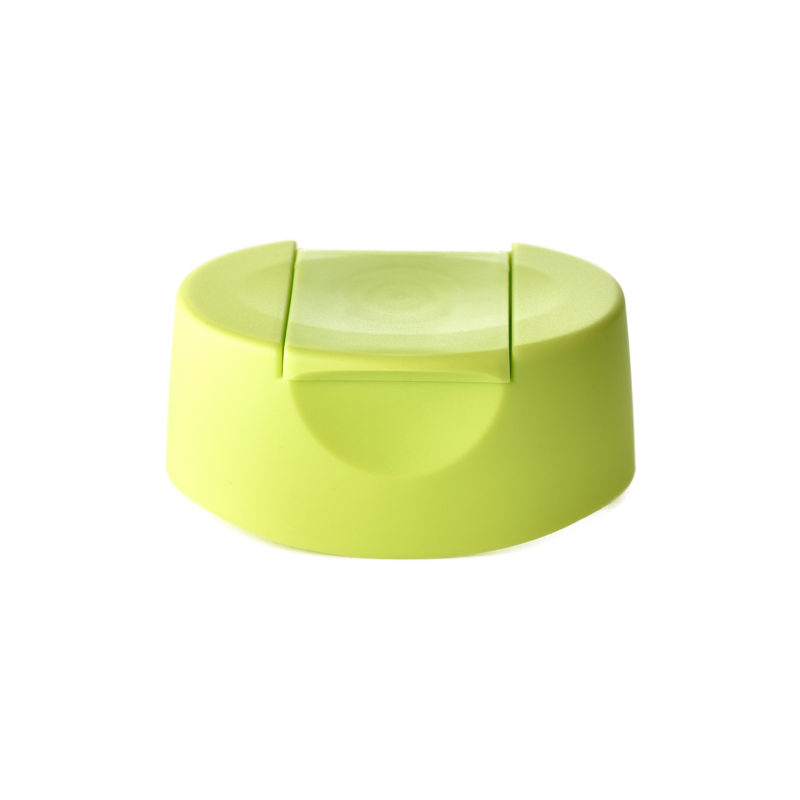
26mm Snap On TPE Cap P26-01 Matte
Login to see prices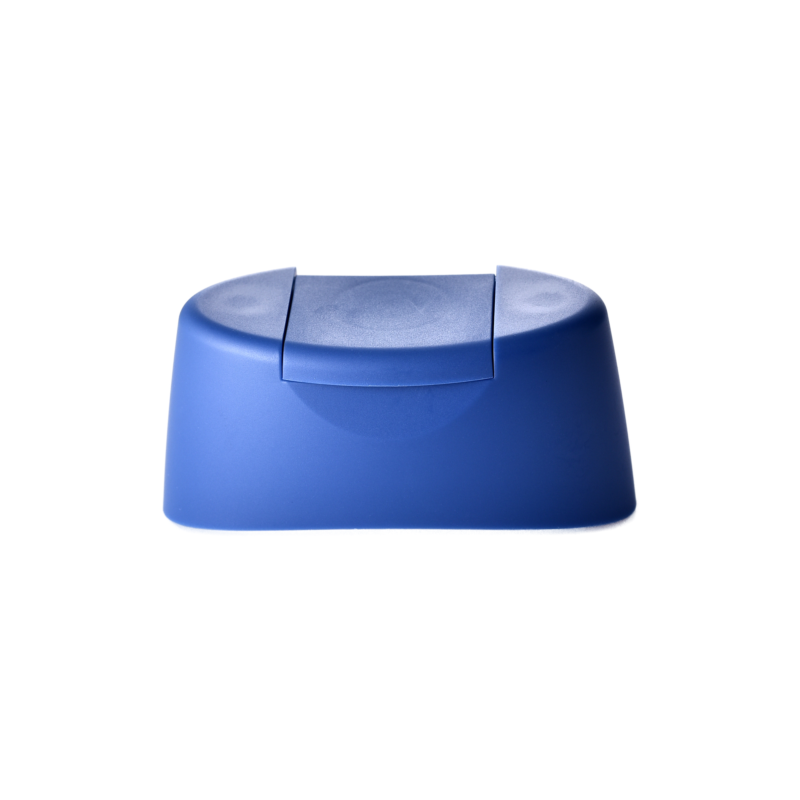
26mm Snap On TPE Cap P26-02 Matte
Login to see prices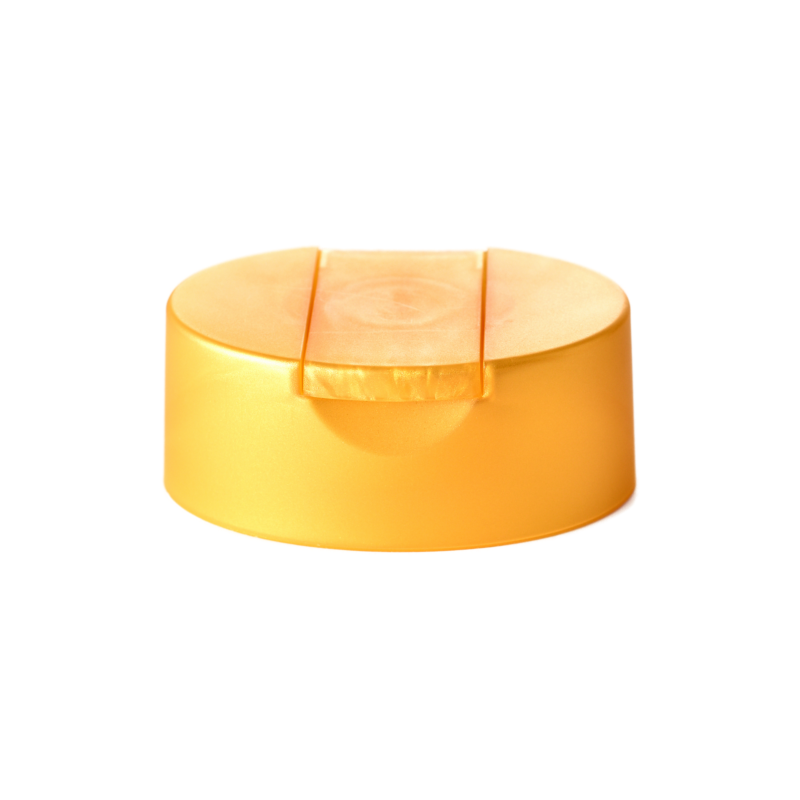
26mm Snap On TPE Cap P26-03 Matte
Login to see pricesWhy HB Packaging
Built to reduce sourcing risk — from mold to mass production.
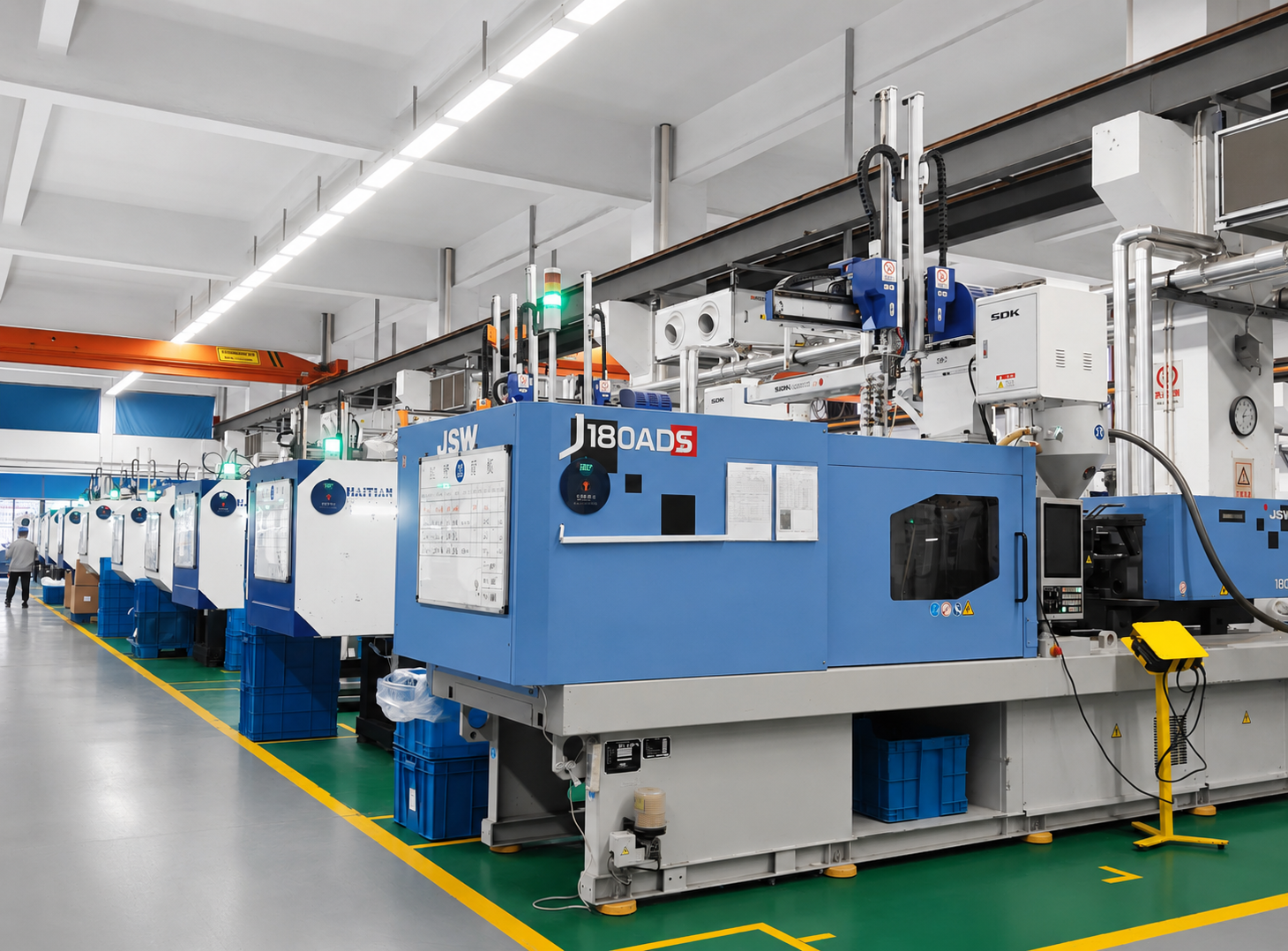
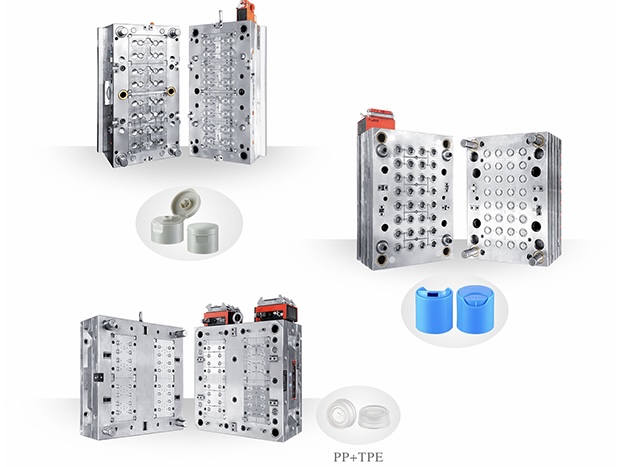
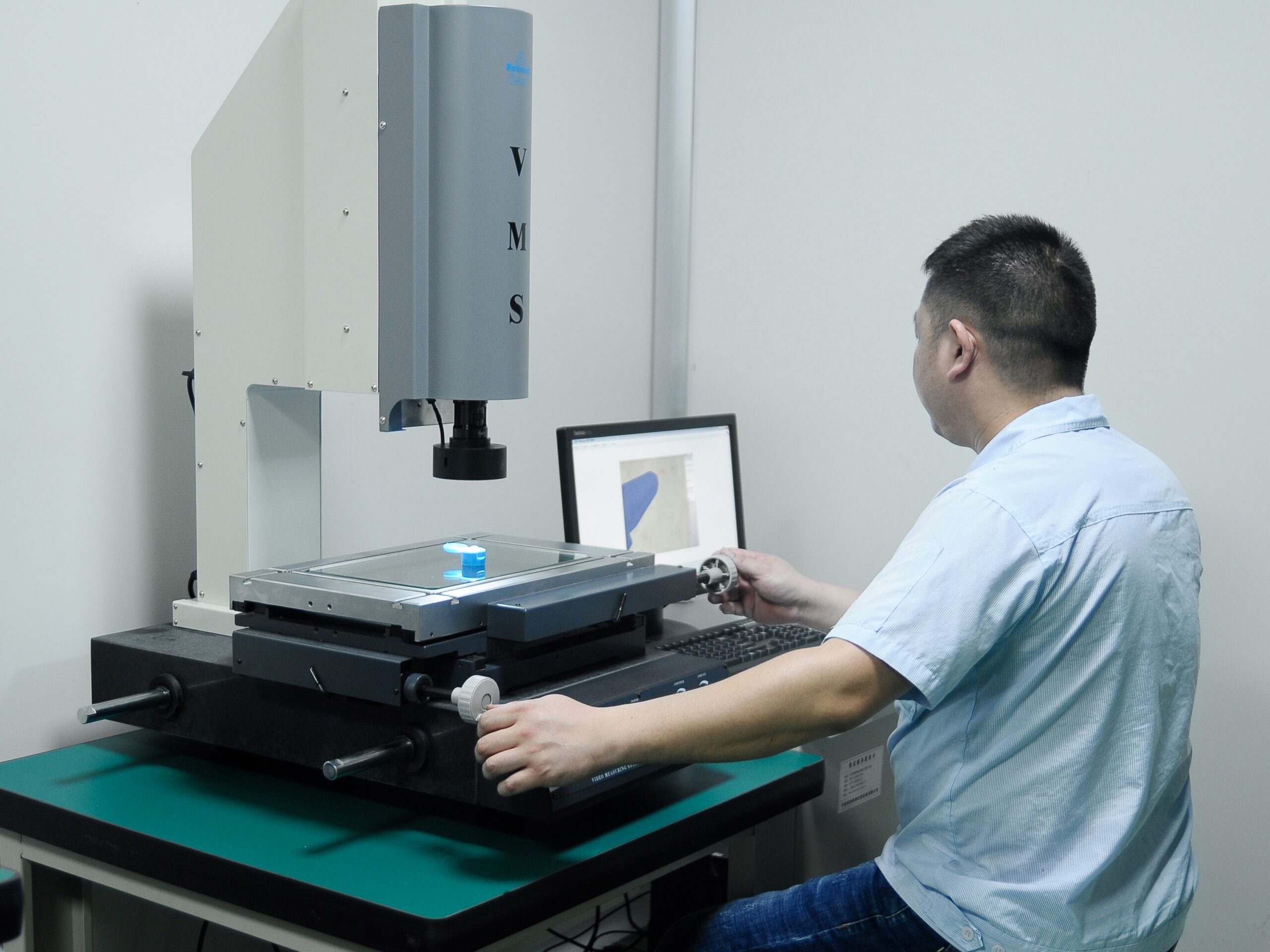
Since 2005, HB Packaging has focused on plastic closures with a mold-first manufacturing approach. By combining mold expertise, automated production and assembly, and ISO-certified management systems, we help packaging teams move from sample approval to repeat production with greater confidence.
20+
Years focused on plastic closures
60+
Countries Served
500+
Million Annual Units Delivered
1,000+
Molds Developped
Buyer Guide
How to Choose the Right TPE Cap
The fastest way to avoid compatibility issues is to confirm the bottle neck first, then evaluate dispensing and aesthetic requirements.
01
Confirm diameter
Start with the bottle opening diameter: 18, 20, 24 or 28 mm.
02
Confirm thread finish
24 mm alone is not enough, check whether the bottle is 24/410, 24/415, etc.
03
Match formula
Consider viscosity, desired flow and dispensing experience for the end user.
04
Test samples
Validate fit, leak performance and user experience with your actual bottle and formula.
Questions Before You Source
TPE caps are used when a closure requires softer touch, flexibility, improved grip or a specific sealing or user-experience function.
They may be used in personal care, household, dispensing and specialty packaging depending on the design and application.
TPE and silicone are both flexible materials, but they are used for different performance needs in cap and closure design.
TPE is often used for soft-touch features, flexible sealing, grip improvement, or over-molded cap components. Silicone is commonly used when a closure needs more elastic recovery, controlled dispensing, valve performance, or flexible sealing behavior.
The right choice depends on your formula, bottle structure, dispensing needs, target feel, and regulatory requirements. HB can review your application and recommend whether TPE, silicone, PP, or a combined structure is more suitable.
Depending on the project and material requirements, HB can review custom color, hardness and structural options for TPE-related cap designs.
For evaluation, please provide the target function, bottle drawing, formula type and expected production volume.
Suitability depends on product formula, required flexibility, sealing needs, user experience and production requirements.
HB can review your application and recommend whether a TPE cap or another closure structure is more suitable.
Yes. If an existing HB closure does not meet your bottle, functional, or branding requirements, we can evaluate a custom mold development project.
Our team can support the process from closure concept and structural review through mold development, sampling, fit validation, and preparation for mass production.
For the initial review, it is helpful to provide your bottle drawing, target dimensions, application, formula, expected annual volume, and any functional requirements.