Sustainable in Plastic Caps & Closures
HB Packaging helps brands turn environmental sustainability goals into practical closure specifications by using PCR options, mono-material formats, lightweight designs and the documentation required to evaluate each project.
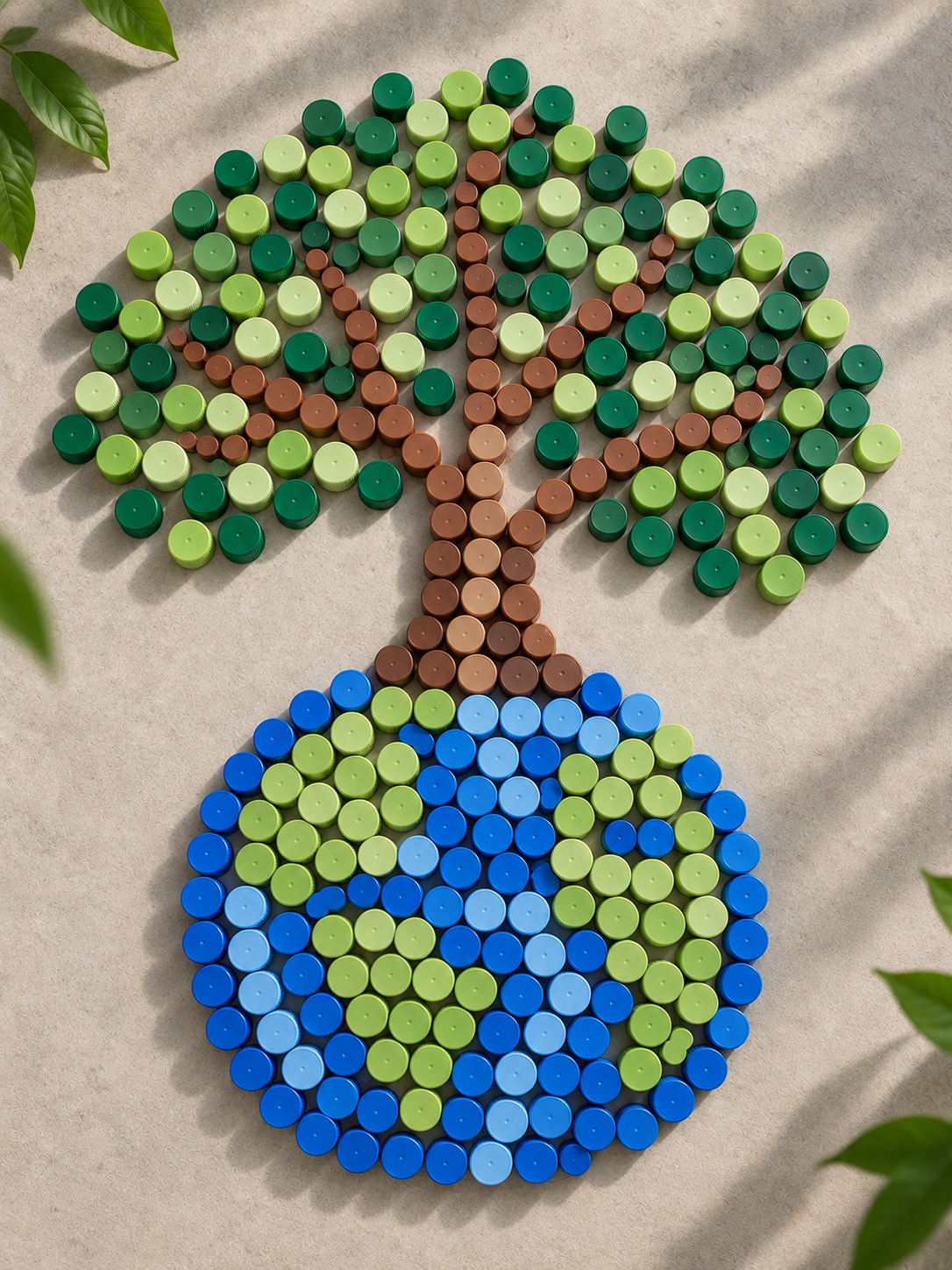
ISO 14001 Certified
Environmental management system
PCR Options
Available for qualified projects
Mono-material
Closure formats available
Lightweighting
Evaluated by design and use case
OUR APPROACH
Our Environmental
Sustainability Approach
Environmental sustainability in plastic packaging is not a single material claim. It is a process of using less material, selecting compatible polymers, protecting product performance and documenting every decision across the bottle-and-closure system.
01
Reduce material use
Explore lightweight plastic closures where lower resin use can be achieved without compromising fit, dispensing or distribution performance.
02
Design for material circulation
Consider mono-material PP or PE closures and PCR plastic cap options based on the application and target recycling stream.
03
Validate sustainable products
Environmentally sustainable products must still work. Test changes with the real bottle, formula, filling process and expected use conditions.
04
Report with evidence
Build a sustainability file with material composition, test data, current certifications and recyclability information.
Material & design options
Sustainable Plastic Cap & Closure Options
Environmentally sustainable products cannot be defined by an “eco-friendly” label alone. The right option depends on the closure format, formula, color, regulatory market, recycling system and order volume. Final claims should follow completed package testing.
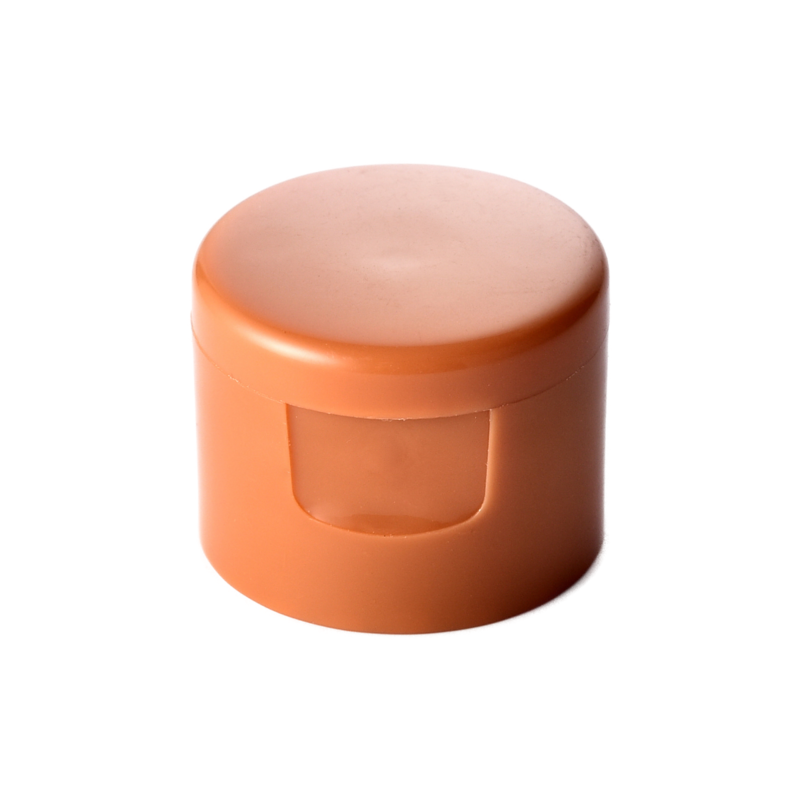
Mono-material plastic closures
Start with single-polymer PP or PE closure platforms where bottle fit and dispensing requirements allow.
PP / PE options
Recyclability review
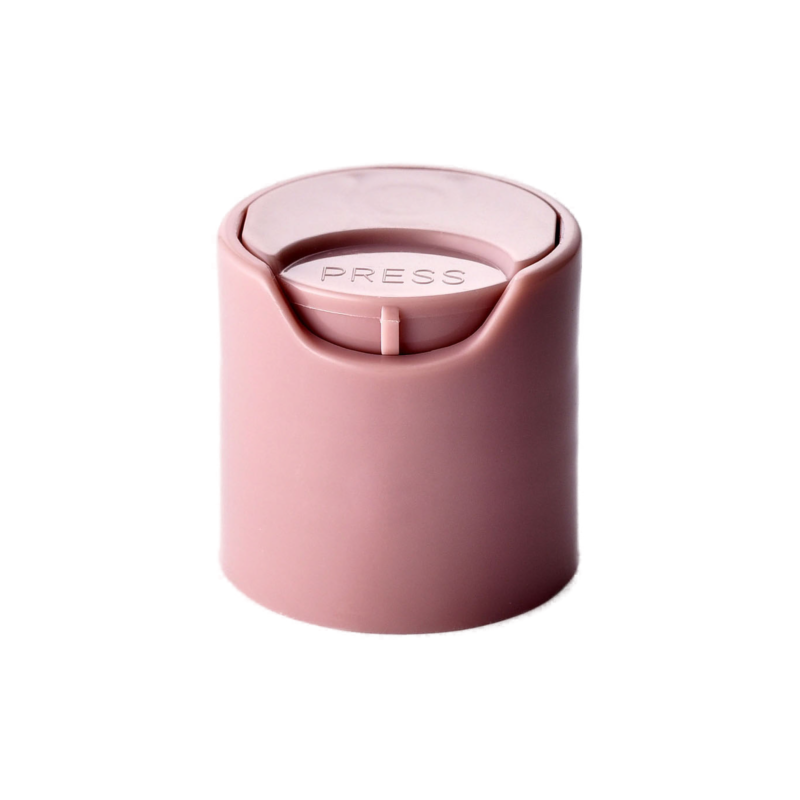
PCR plastic cap options
Review target recycled content, color, odor, appearance, traceability and end-use restrictions before sampling.
Project-specific
Documentation required
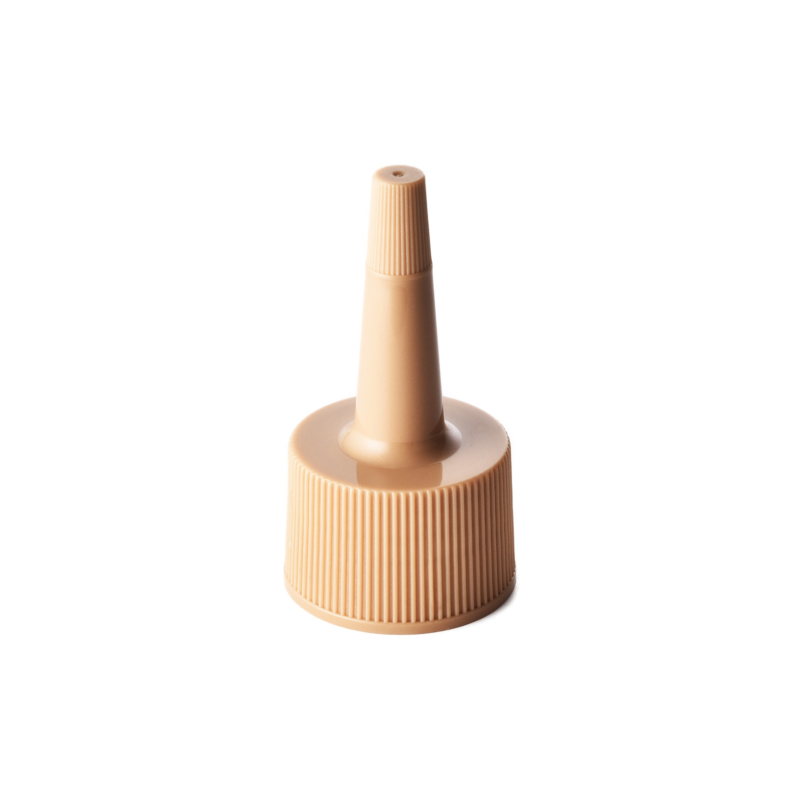
Lightweight plastic closures
Use design review and sample validation to reduce material while protecting critical dimensions and performance.
DFM review
Performance testing
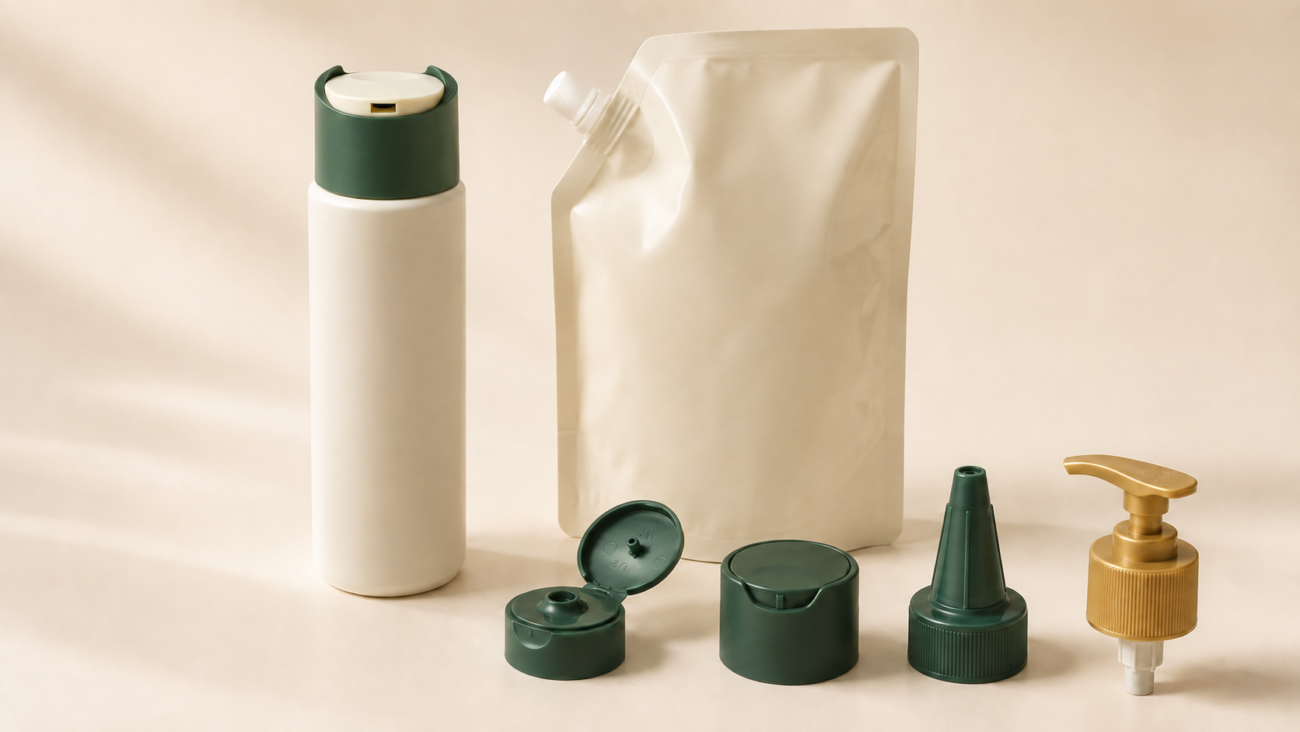
Refill-compatible closures
Check repeated removal, torque retention, hygiene, dispensing and the pouch-to-bottle transfer experience.
Reuse cycles
System testing
TRANSPARENCY
Sustainability Policies, Certification & Reporting
A credible sustainability report needs a clear boundary, a dated baseline, named metrics and an honest explanation of what is not measured yet. This gives buyers a better basis for comparing companies committed to environmental sustainability.
Sustainability Report & Baseline Metrics
A focused first report for a mid-sized packaging manufacturer: governance, material options, energy and waste boundaries, workforce and safety, sustainable supply chain expectations, and a one-page GRI reference table.
Reporting period and manufacturing facilities in scope
Baseline metrics with units and calculation notes
Near-term environmental sustainability targets
Progress, data gaps and next measurement actions
Sustainability reporting framework
UN SDGs as a map
Sustainability certification evidence
Annual update cadence
Sustainability resource center
Sustainability Reports,
Policies & Downloads
RecyClass Design Book 2026
Official industry guidance for evaluating how materials, caps, labels, seals and other components affect plastic packaging recyclability.
Sustainability in Plastic Packaging
Common Questions
What does sustainability mean for plastic caps and closures?
Sustainability in plastic closures can include reducing material use, evaluating PCR content, using compatible mono-material formats, improving refill performance and documenting how each decision affects the complete package. The right approach depends on the bottle, formula, use case and recycling system.
Can plastic closures be environmentally sustainable?
A plastic closure can support an environmental sustainability strategy when its material, weight, construction and end-of-life pathway are evaluated as part of the complete package. No closure should be described as universally sustainable or recyclable without evidence for the intended market.
What should buyers ask a sustainable packaging company?
Ask for exact polymer information, PCR percentage and traceability where applicable, component weights, compatibility and performance testing, current sustainability certifications, and the evidence behind recyclability or environmental claims.
How does HB Packaging reduce greenwashing risk?
HB separates available material and design options from verified project outcomes. Claims such as PCR, mono-material, lightweight, refillable or designed for recyclability should be supported by specifications, tests and market-appropriate documentation before publication.

Build a More Sustainable Closure Brief.
Send the bottle drawing, formula, target market, sustainability goal and expected order volume. We’ll help identify the material options, evidence and questions to resolve before sampling.